
Process documentation is essential. Yet for most teams, it’s also one of the most fragile parts of their operation. Documentation takes time to write, breaks the moment an interface changes, and quickly becomes something people stop trusting. The result is familiar: outdated SOPs, repeated questions, and knowledge locked inside a few people’s heads.
An AI process documentation tool approaches this differently. Instead of asking teams to write and maintain documentation manually, it generates documentation directly from real workflows. That’s the problem Guideless was built to solve.
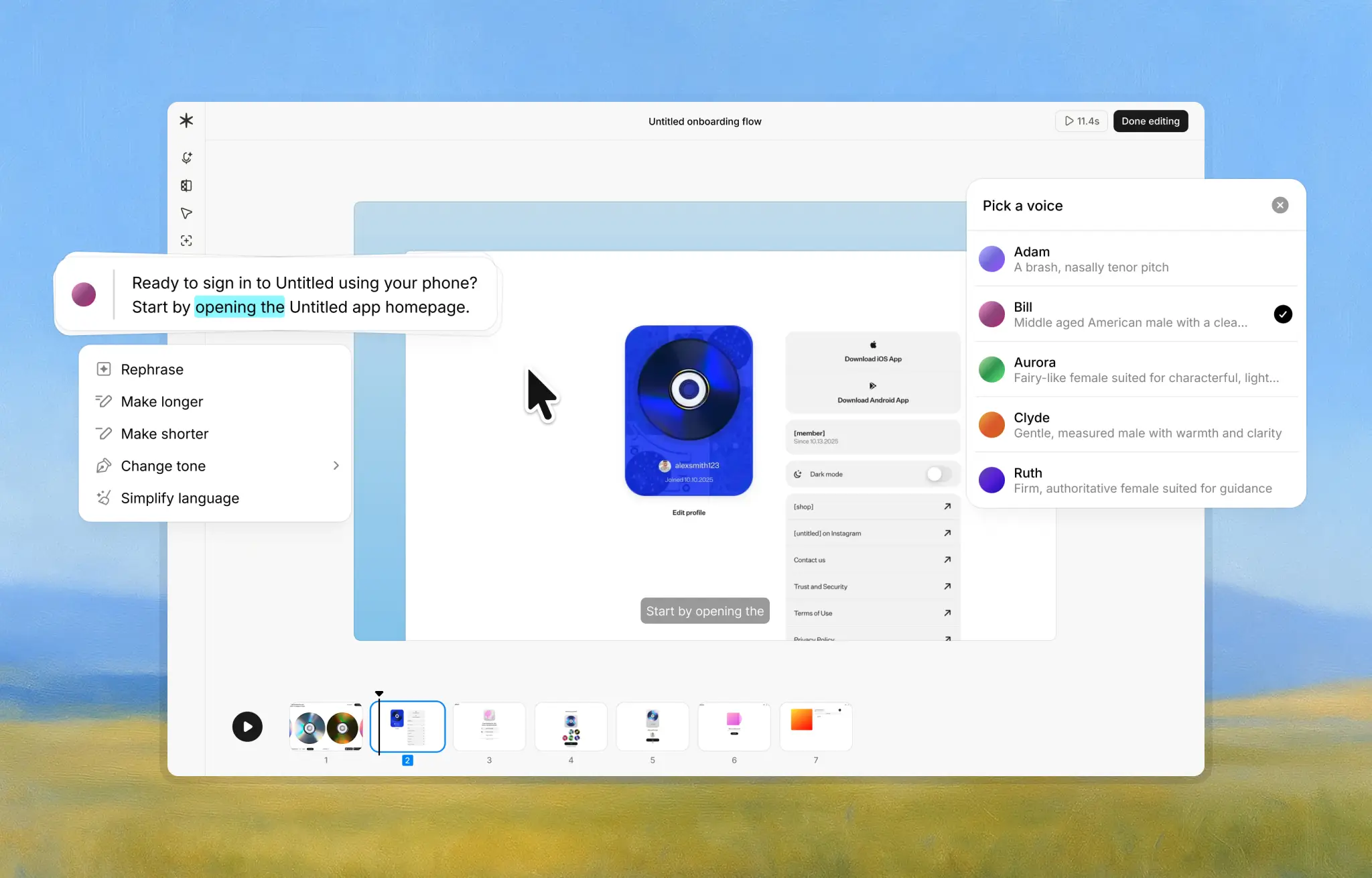
Guideless captures what you actually do and turns it into visual, self-updating workflow documentation. No screenshots. No writing. No ongoing maintenance.
Why process documentation keeps failing
Most teams don’t struggle because documentation isn’t important. They struggle because the way documentation is created doesn’t match how work actually happens.
Writing documentation takes time, especially when workflows are complex or involve multiple tools. Screenshot-based guides break as soon as the UI changes. Old SOPs are rarely updated because no one owns them long-term. And long written instructions are often ignored in favor of asking a teammate for help.
Over time, documentation becomes something teams technically have, but rarely use. Knowledge spreads across Notion pages, wikis, Slack messages, and people’s memories.
What teams really want is documentation that stays alive and reflects reality as it changes. We explore this problem in more depth in our guide on why workflow documentation still fails and how AI fixes it.
What an AI process documentation tool actually does
An AI process documentation tool generates documentation directly from workflows instead of text.
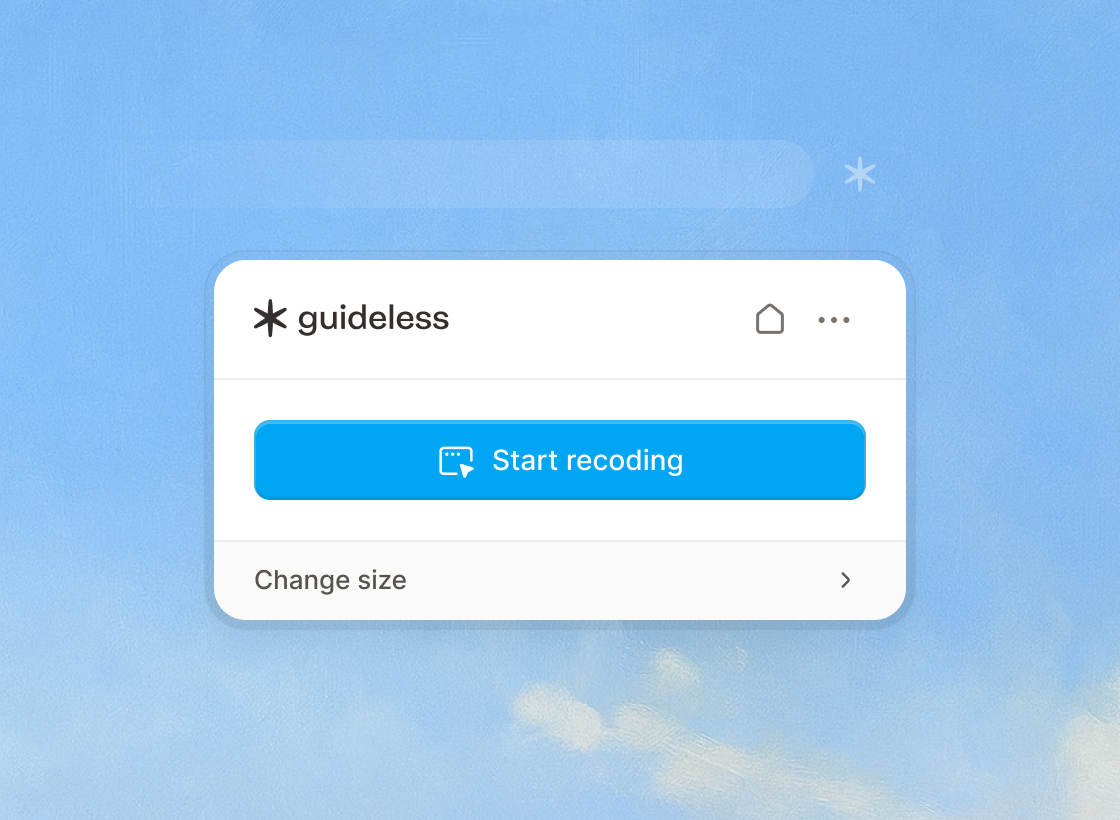
You perform a process once, just like you normally would. The tool captures clicks, inputs, navigation, and decision paths. From that, it generates a clear, visual guide that shows how the process works step by step.
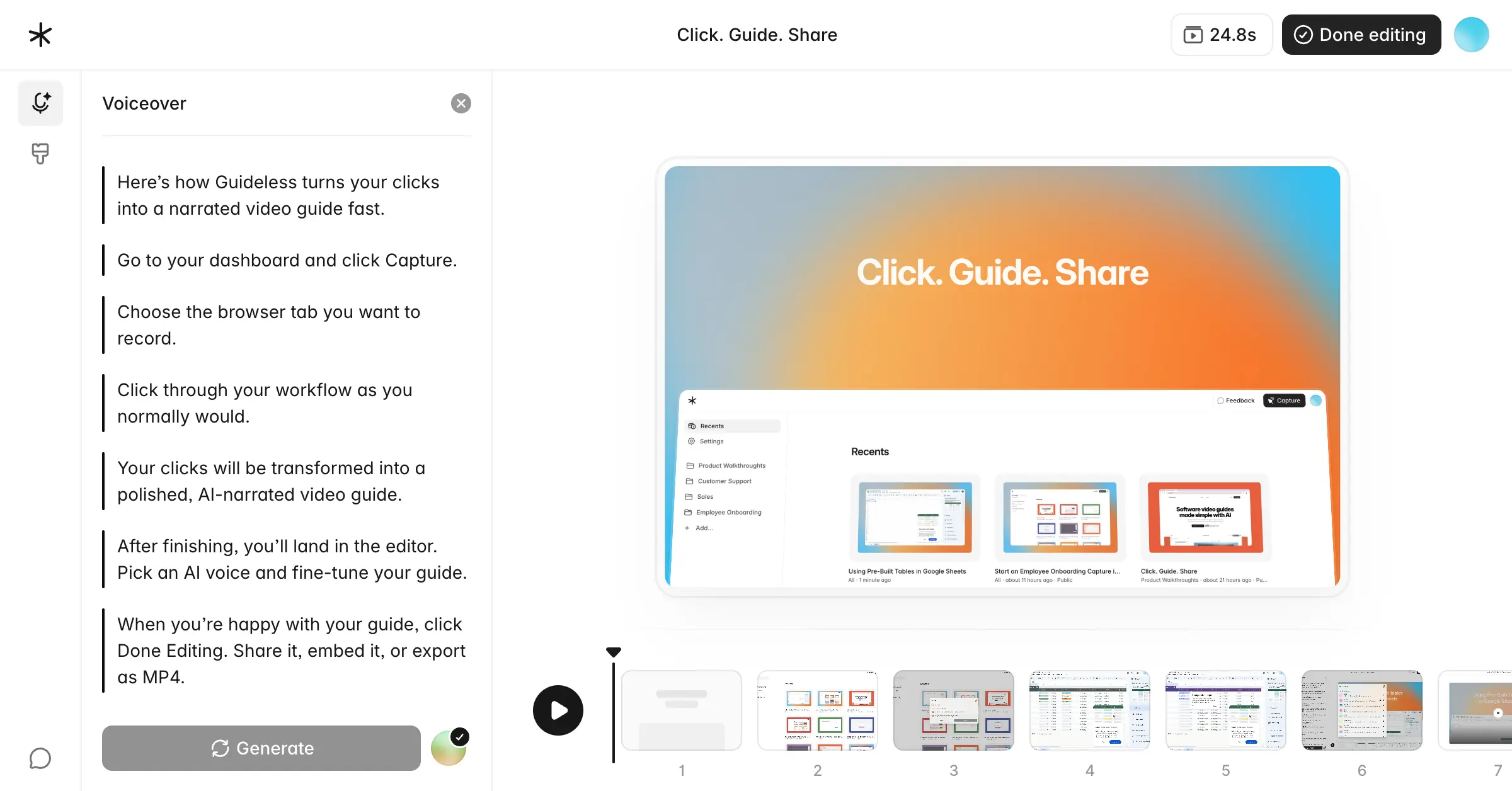
The result is a guide-like SOP that’s easier to follow and much easier to keep current. For example, this guide walks through Ahrefs’ free SEO tools step by step, showing how a real workflow is captured and turned into a visual guide without writing or screenshots.
Why traditional documentation tools still fall short
Many teams rely on flexible tools like Notion or Confluence. These are powerful, but everything is manual. Documentation quality depends on who writes it, and updates are easy to forget.
Tools like Scribe or Tango make documentation faster to create, but they’re still screenshot-based. As interfaces change, those guides slowly drift out of sync with reality.
Wiki-style platforms centralize information, but they don’t solve the core issue. People don’t want to read long explanations. They want to know what to click to get a result. Hence, documentation fails when it’s separated from doing the work.
Many teams are rethinking documentation entirely and moving toward workflow-based SOPs. We share how that shift works in practice in our guide on how modern teams document smarter with AI SOPs.
How Guideless turns actions into documentation
Guideless connects documentation directly to workflows. You perform a process as you normally would. Guideless captures the UI components, inputs, and decisions behind the scenes. From that, it generates a clean, visual process guide that’s immediately shareable.
When workflows change, you don’t rewrite documentation. You simply capture the updated flow. This makes documentation easier to keep accurate without adding ongoing work.
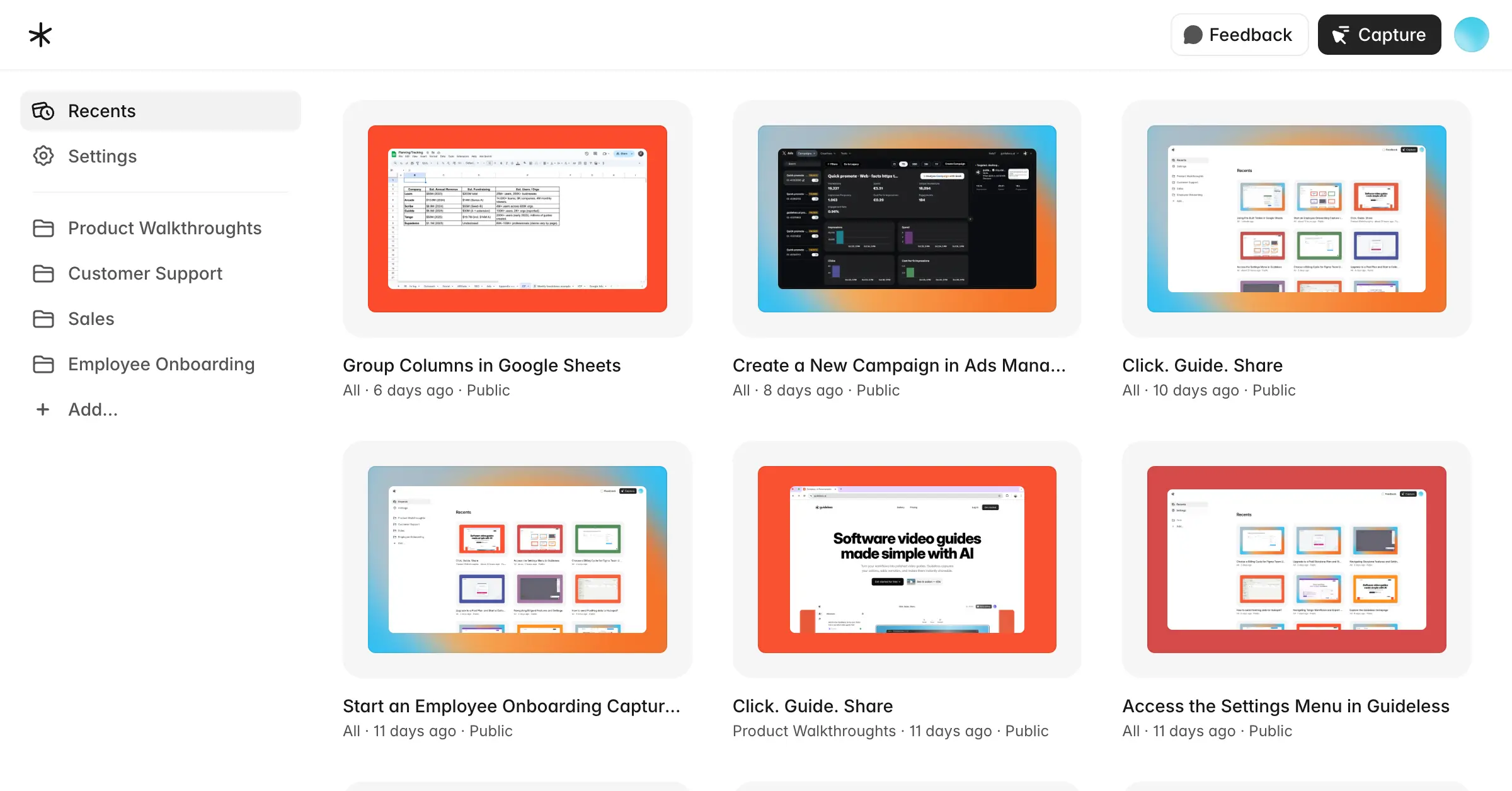
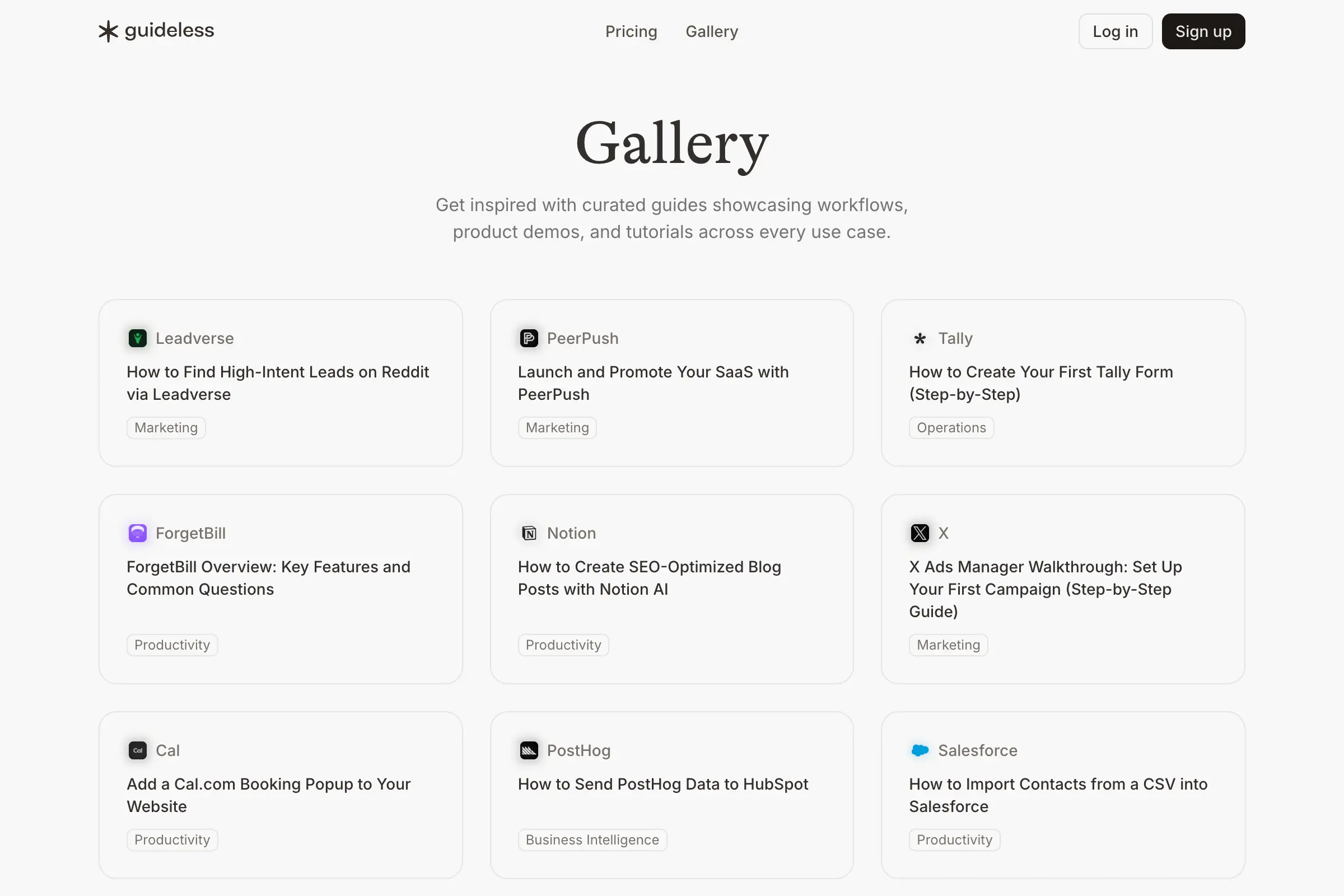
Over time, teams build a centralized, searchable library of workflows that reflect how the organization actually operates. You can see real examples of these workflow-based guides in the Guideless gallery.
Why teams choose Guideless for process documentation
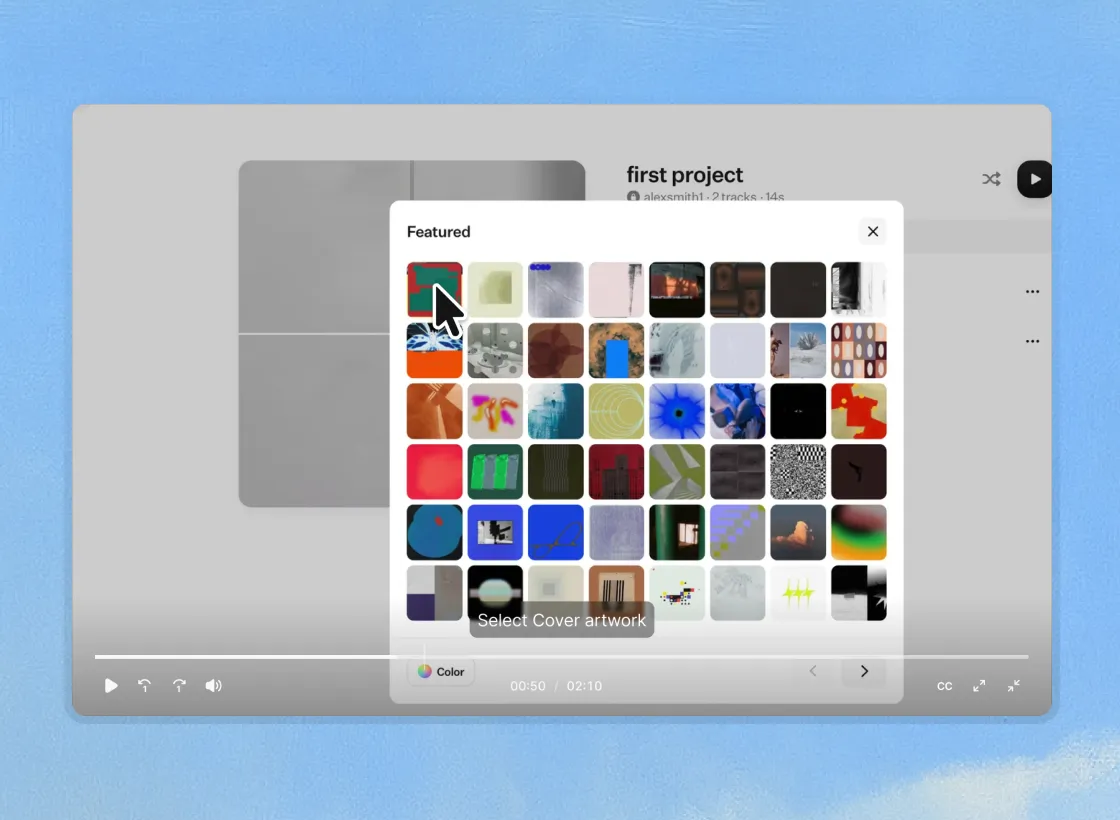
Teams adopt Guideless because it removes the hardest parts of documentation. There are no text-based documents with screenshots to maintain, which dramatically reduces breakage. Because Guideless understands UI elements and interactions, recapturing the guide becomes an effortless task as products evolve.
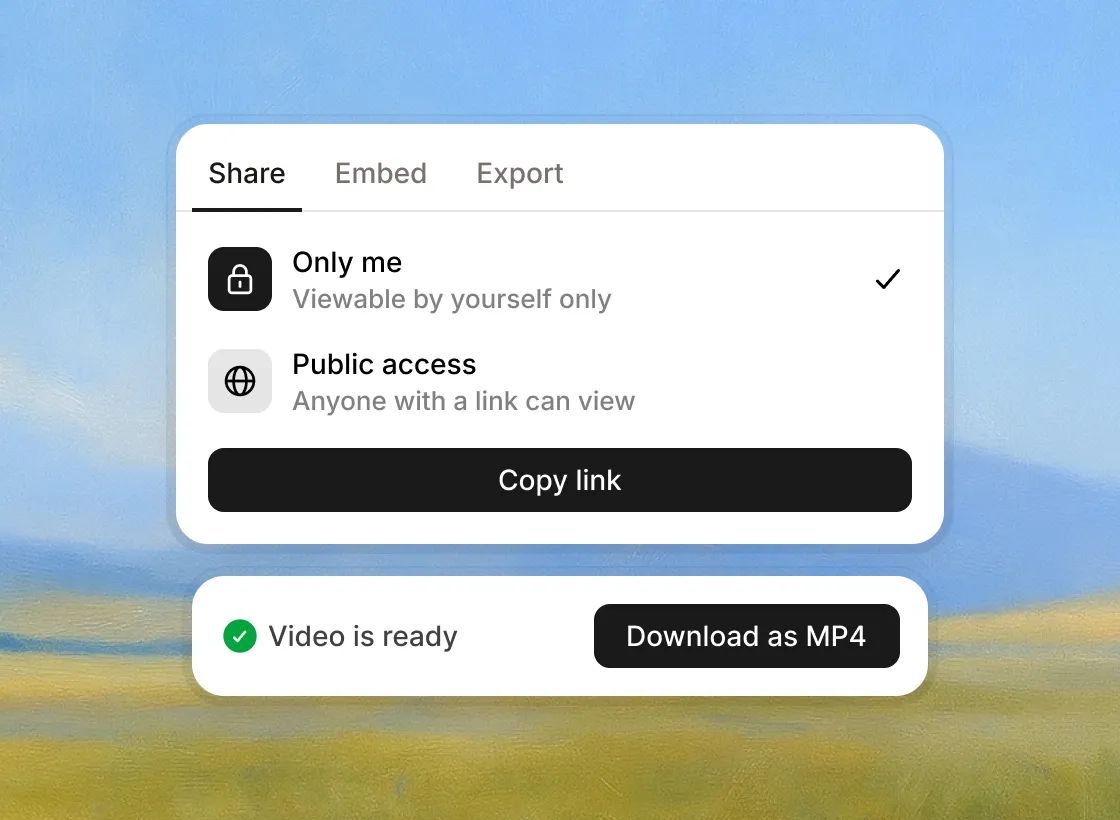
Guides can be embedded where teams already work, whether that’s internal tools, help centers, or training portals. And because everything follows the same format, documentation stays consistent across teams and roles.
This makes Guideless practical not just for small teams, but also for organizations operating at scale.
Where AI documentation delivers the most value
AI-driven documentation is especially useful in areas where accuracy and consistency matter. Operations teams use it for SOPs, compliance processes, and vendor workflows. Product and engineering teams rely on it for internal tooling, feature configuration, and technical onboarding. Support teams document troubleshooting flows, routing logic, and macros. HR teams use it to standardize onboarding, payroll, and performance processes.
Many of these use cases overlap with customer education and onboarding. You can explore how teams apply Guideless across these areas in our customer case studies.
What teams see in practice
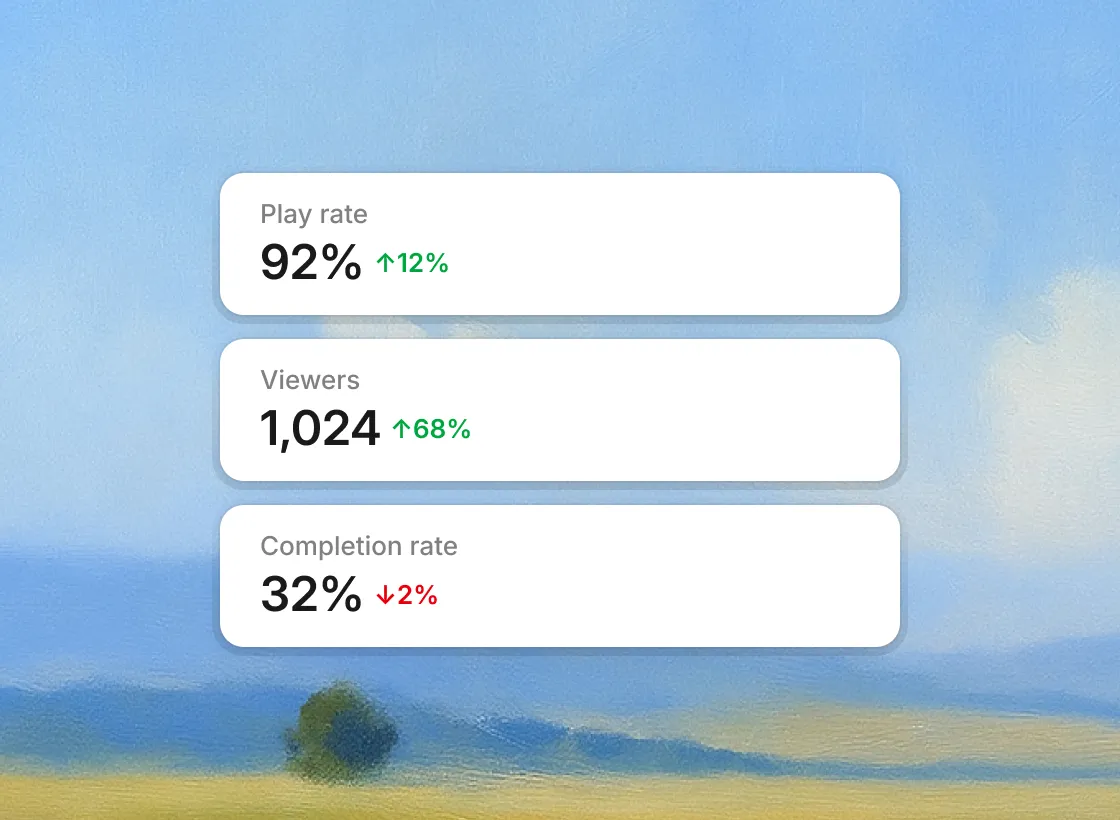
Teams using AI-based process documentation report faster documentation creation, far less maintenance, and fewer repeated questions. Knowledge becomes easier to share, and processes become more consistent across the organization.
Here’s another example, this time for a more technical task. This guide shows how to set up a domain redirect in Hostinger. Instead of reading a long help article, the workflow is captured once and shared as a clear, step-by-step visual guide.
Instead of documentation being something teams avoid, it becomes something they actually rely on.
Final thoughts
Documentation doesn’t fail because teams don’t care. It fails because the tools weren’t designed for how work really happens.
An AI process documentation tool like Guideless keeps documentation connected to action. Capture workflows once, and let documentation evolve with them.
If your team is tired of rewriting SOPs and maintaining broken guides, this approach offers a simpler way forward.
👉 Try creating your first guide today. It takes less than a minute.